
HIPAA Security Rule Pushed to 2027. Don't Wait for It.
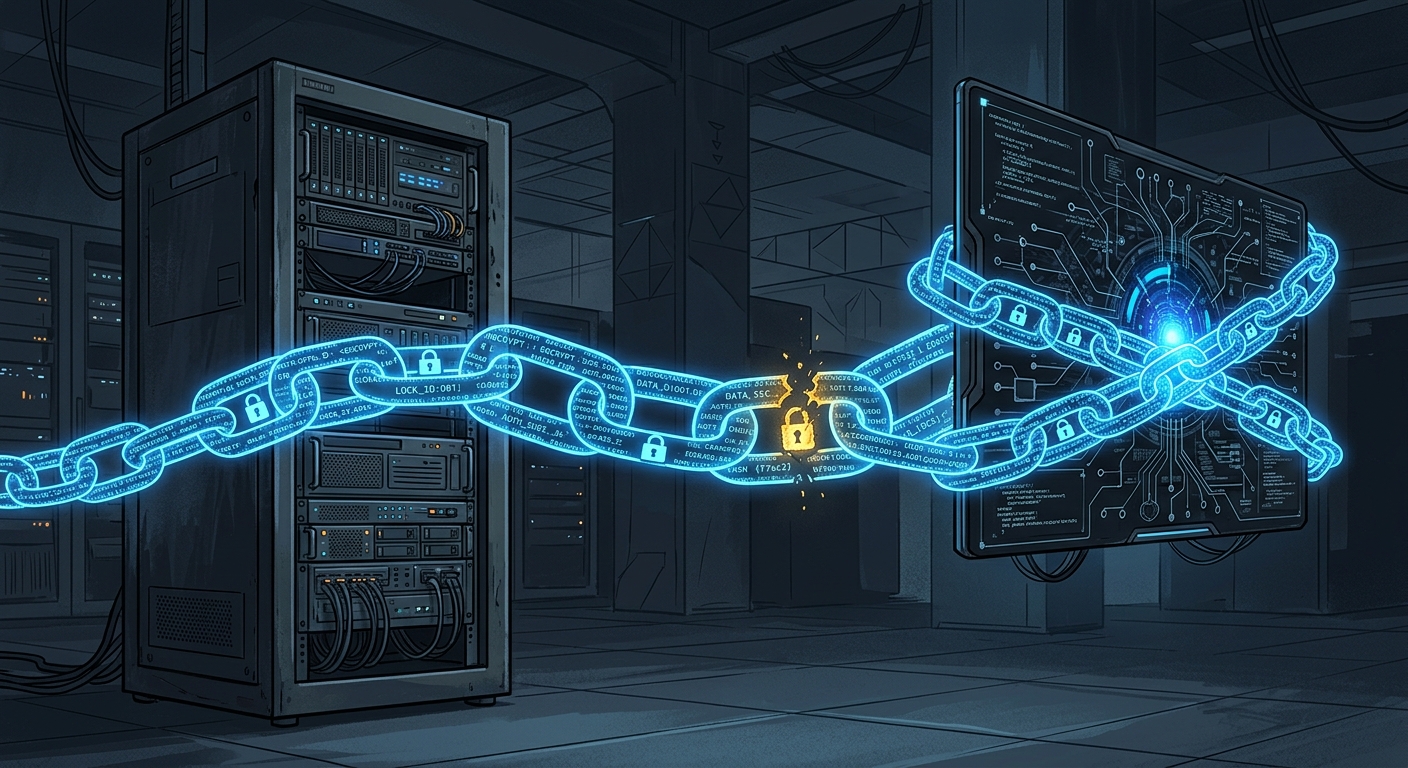
HHS now projects July 2027 for the HIPAA Security Rule update. The proposed fixes are already standard practice, and the current rule is still enforced.
Software integration, AI, and the craft of building systems that last.
HHS now projects July 2027 for the HIPAA Security Rule update. The proposed fixes are already standard practice, and the current rule is still enforced.
A fixed bid feels safer since the number can't move, but the risk doesn't vanish. It gets priced in. Here's how to pick the contract that fits your build.
Google Play's 2026 target API deadline passed Aug 31, and extensions end Nov 1. Here's what that means for an app you haven't updated lately.
Q4 is when next year's software budget gets locked. These are the costs that rarely make the spreadsheet, and the ones that cause mid-year surprises.
Website accessibility claims keep rising, and most target sites with common, fixable problems. Here's where the real risk sits and which fixes matter most.
Most software projects don't fail on code. They fail on unclear scope, surprise costs, and handoffs. Here's how we work, and why we built VitaLink around it.
Rate limits almost never show up in development or staging. They show up the first week real traffic arrives, usually at the worst possible moment.
Senior engineers and AI specialists are in high demand. Junior roles are getting squeezed. Here's what that barbell means for how you build a team right now.
Most teams have at least one system only one person really understands. Here's what it costs when they leave, and how to spread that knowledge before they do.
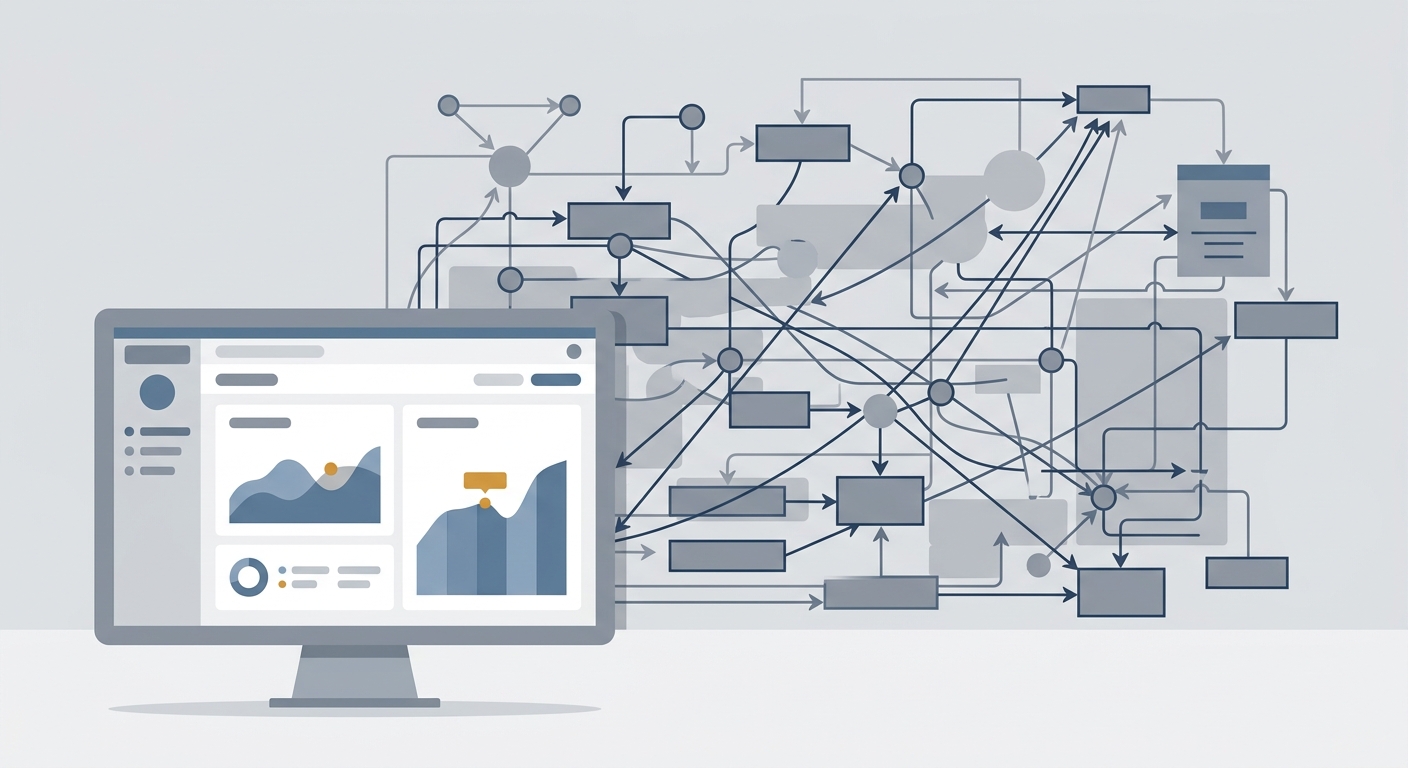
A single incident can trigger 50+ alerts across separate tools. That volume is driving real attrition, at a real cost per replacement.
A redesign quote usually covers design and build. It often skips the line items that actually determine whether the project stays on budget.
90 documented AI agent security incidents from 2026, one dataset. Here's what the actual pattern looks like once you stop treating each breach as a one-off.
Most companies running on three cloud providers didn't choose that on purpose. Here's how to tell genuine multi-cloud strategy apart from accidental sprawl.
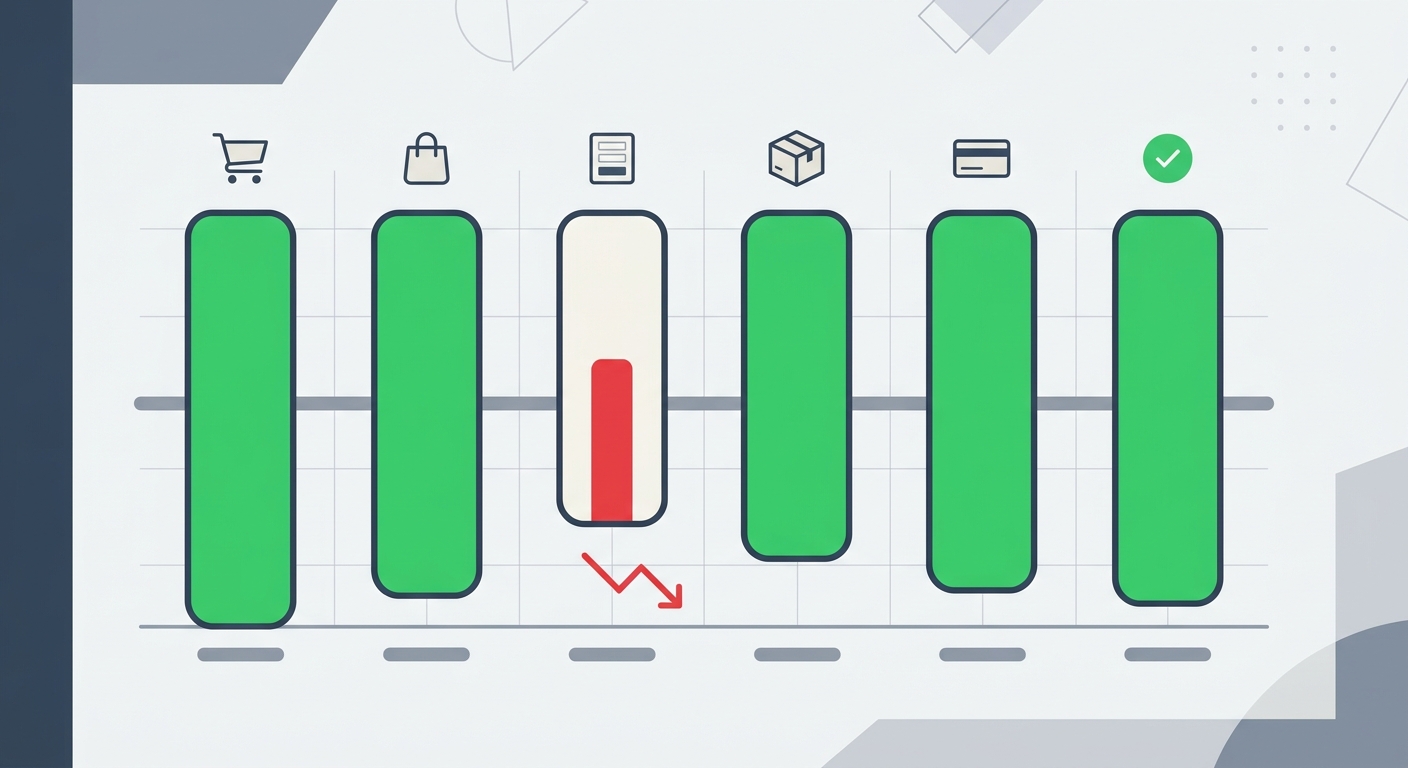
Page speed and checkout conversion are treated as the same problem. They're not. Here's the friction that survives a fast site and how to actually find it.
A polished vendor demo is honest and incomplete at the same time. Here's how to actually interrogate one instead of just watching it.
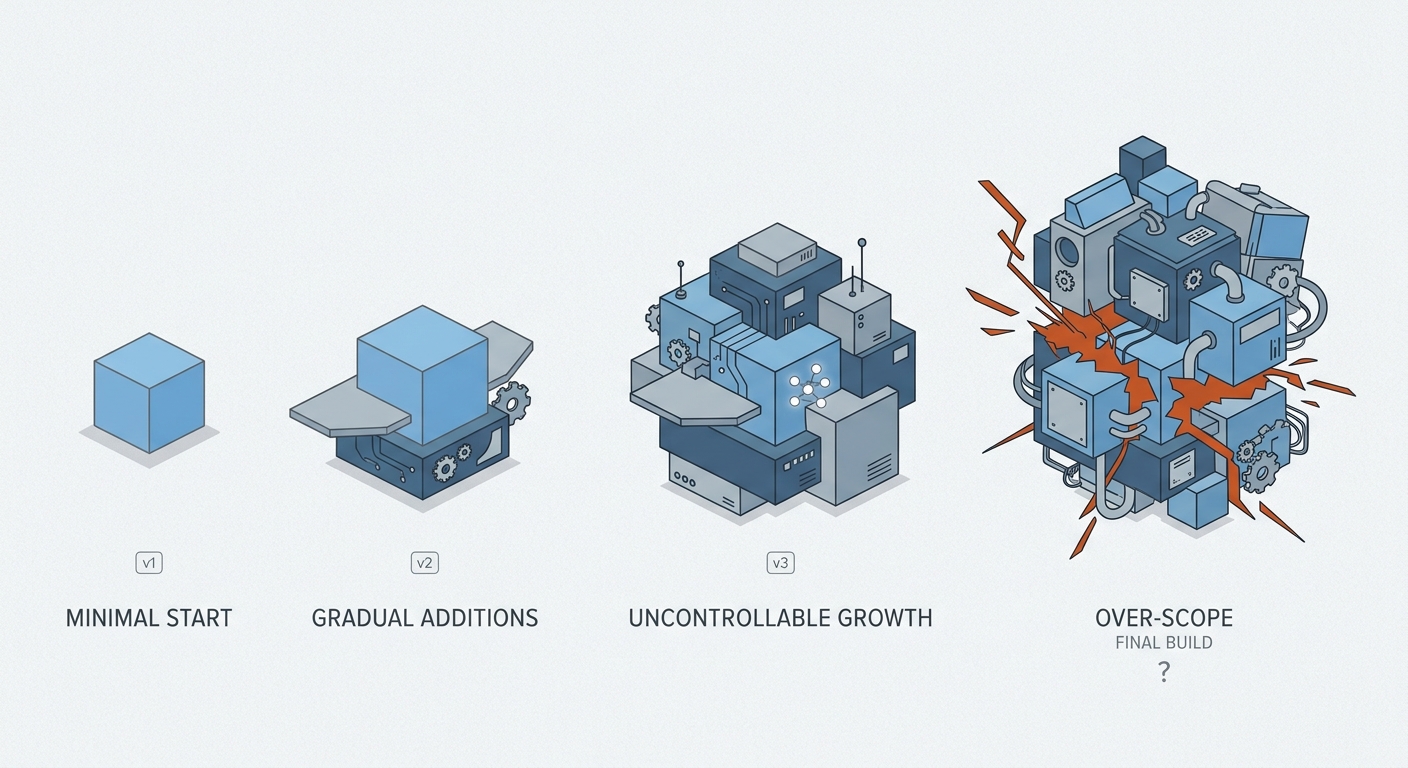
MVPs are supposed to be the fast, cheap way to test an idea. Most of them quietly stop being minimal somewhere in the build. Here's why, and how to actually stop it.
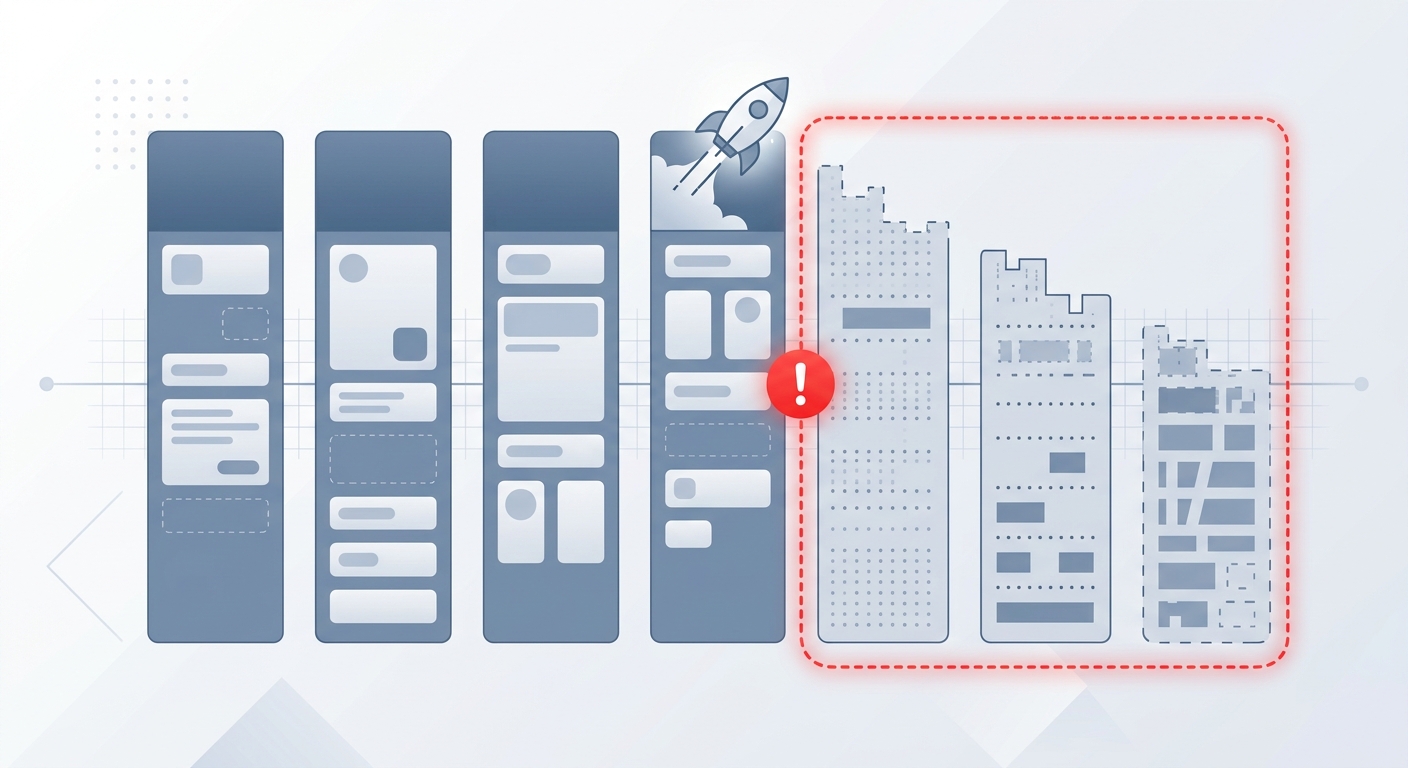
Shipping right before a long weekend isn't inherently reckless. The actual risk is coverage thinning out at exactly the moment a problem is most likely to surface. Here's the real calculus.
Cloud migration timelines miss by roughly double, consistently, across teams that have never underestimated a project before. Here's why the estimate itself is structurally wrong.
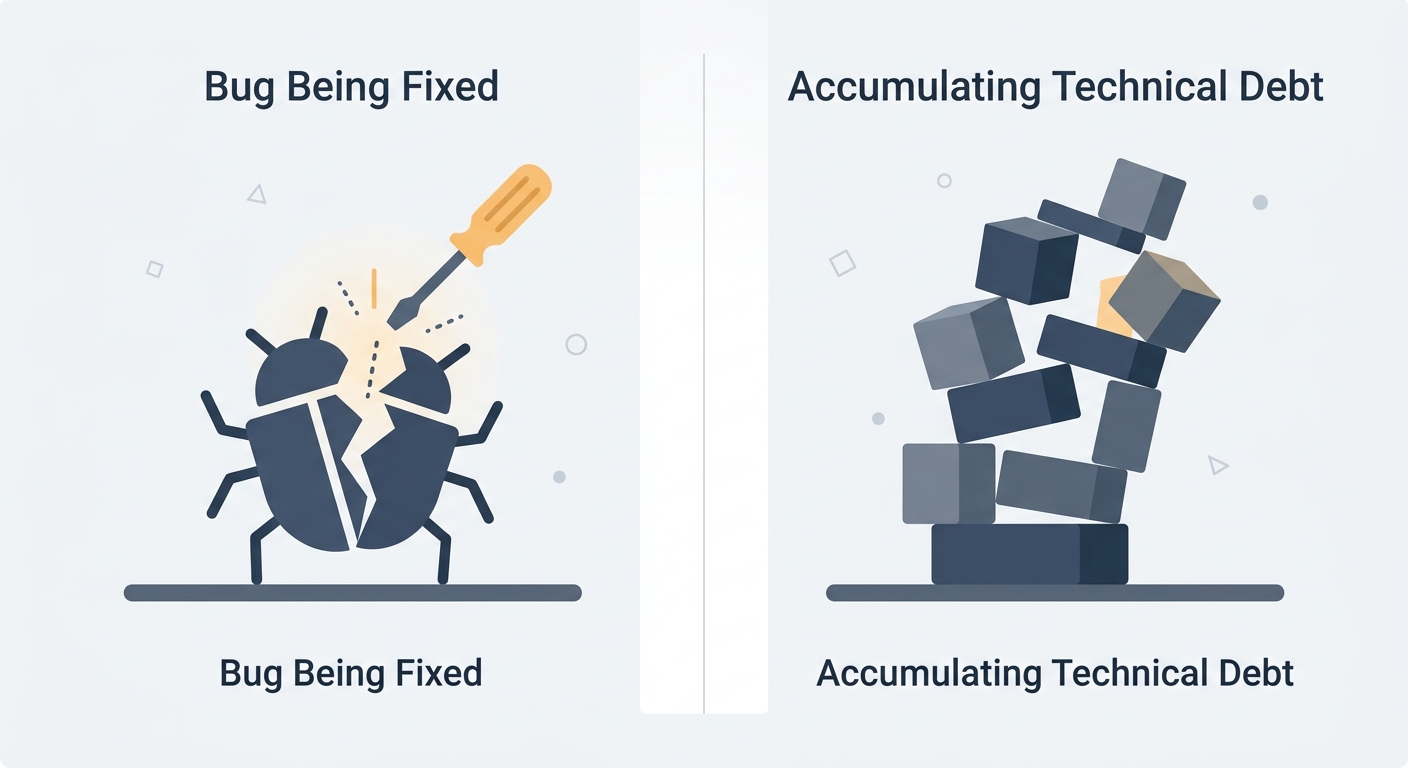
Teams lump 'broken' and 'will cost us later' into the same backlog. That's why technical debt never gets prioritized on its own terms. Here's how to actually separate them.
AI has moved from answering questions to executing multi-step tasks. Most teams haven't built the audit trail to match. Here's what to actually log and review.
RFPs are built to compare features and price. They're not built to compare who actually delivers, or what a vendor really costs over five years. Here's the fix.
Most companies make the build-vs-buy call once and never reopen it. Here's a practical framework for recognizing when a decision made years ago no longer fits your current needs.
This architecture decision gets framed as a technical debate. For the founder or executive approving the budget, it's actually a cost and timeline decision. Here's how to think about it.
Not every stack decision affects your business the same way. A practical framework for founders to tell genuine tradeoffs from framework-preference debates that don't matter to the outcome.
Most companies discover cloud cost bloat when the invoice arrives, not before. Here's what to actually check, and how to build a lightweight review habit instead of a one-time audit.
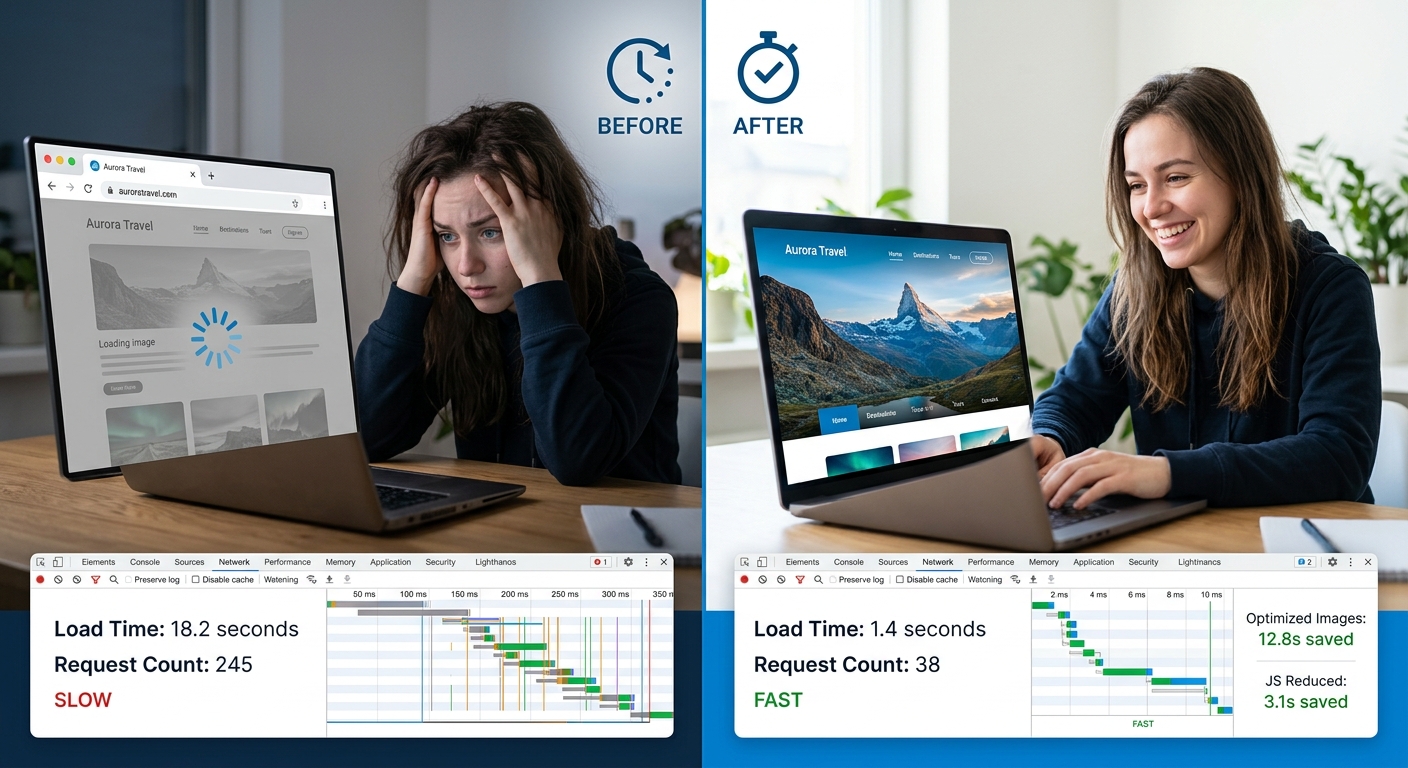
Page speed sounds like a technical detail until you connect it to conversion and search ranking. Here's what actually makes a site slow, what to fix first, and what's diminishing returns.
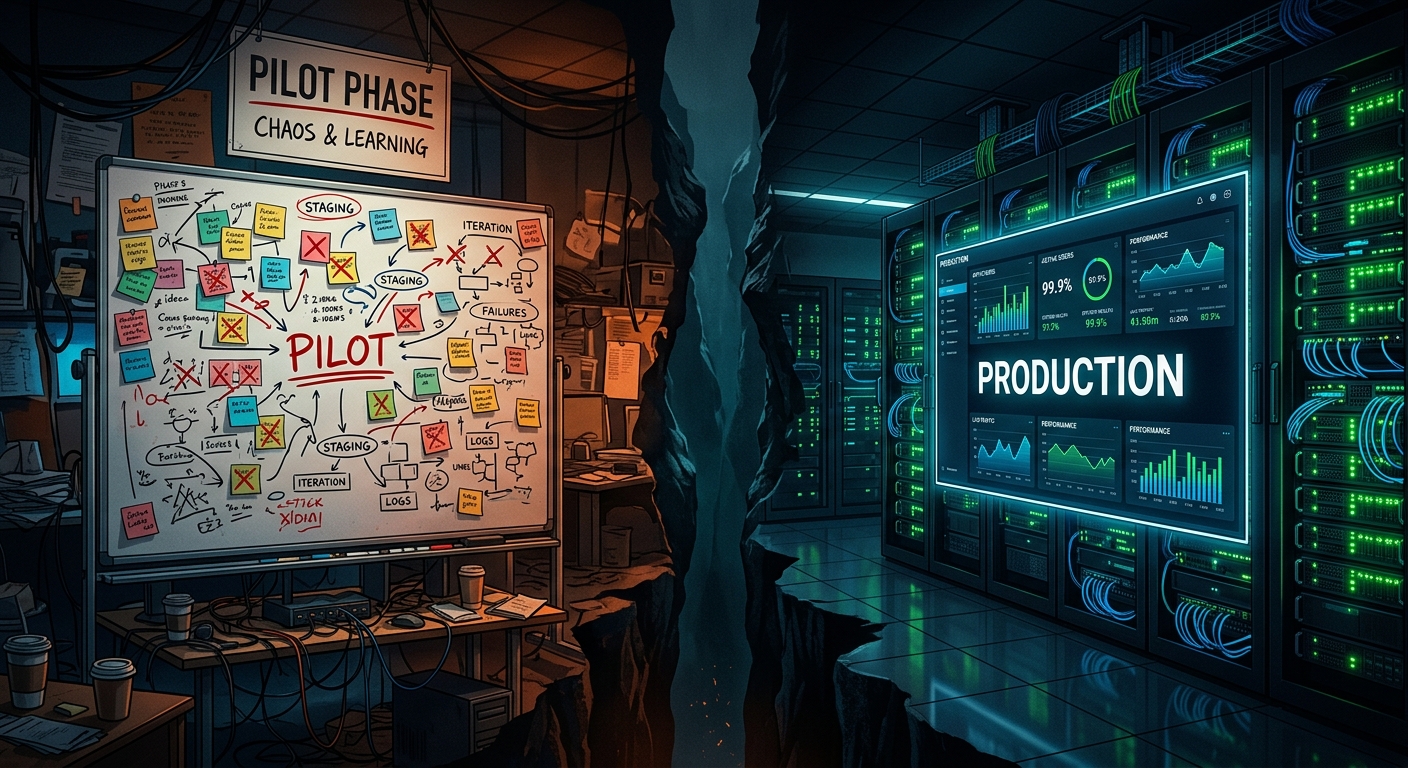
Early pilots succeed because everyone's paying attention. The failure mode comes later, when attention moves on but the deployment hasn't been woven into actual workflow. Here's what to do differently in months 2-6 to avoid the plateau.
The AI adoption gap isn't about which LLM you're running. It's about the specific workflow tools your competitors are integrating quietly — and the compounding advantage they're building. Here's what they're actually using.
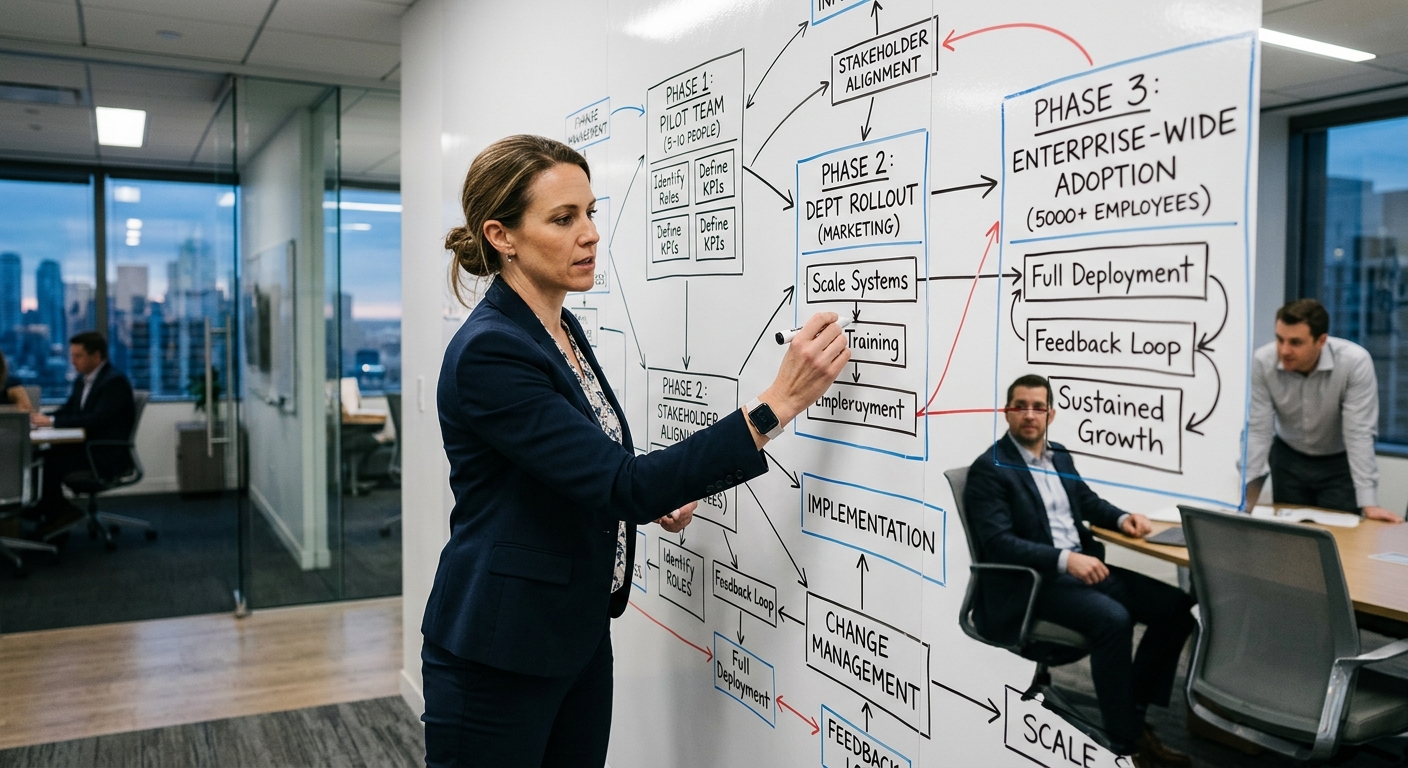
A successful 90-day AI pilot and a successful enterprise-wide rollout are different problems. Here's what breaks at scale that worked cleanly in the pilot — and how to design for it before you find out the hard way.
Six months into an enterprise AI deployment, teams consistently report higher workloads, not lower. Here's the mechanism behind this paradox — and how to break out of it.
Six to twelve months into enterprise AI deployments, most teams are flying blind on ROI. Here's the measurement framework that actually answers the question your CTO is going to ask next quarter.
Amazon Prime Day isn't just for consumers. AWS credits, SaaS discounts, and tooling deals surface every year during the Prime window. Most IT teams don't have a process for catching them. Here's what's worth watching.
Apple announced a lot at WWDC today. For enterprise IT, most of it is a new MDM configuration project. A practical rundown of what just landed on your plate.
Most enterprises have a growing list of 'we should use AI for this' ideas and no framework to prioritize them. That backlog isn't potential — it's organizational debt.
WWDC will make the gap between employee phones and enterprise AI systems visible and painful. Here's how to get ahead of that before the announcements land.
Forrester says 25% of planned AI spend is getting delayed in 2026. The companies that survive the scrutiny aren't the ones with the best results — they're the ones who measured from day one.
65% of orgs report AI failure. The problem isn't the agent — it's three things that never break in demos but break immediately in production.
Forbes and PwC's numbers are out. Most AI spend isn't paying off. Here's the structural difference between projects with real returns and ones that generate decks.
Everyone tracks vendor lock-in. Nobody tracks behavioral debt — the invisible migration cost baked into your prompt engineering.
Every AI integration creates new attack surfaces — and most integration guides skip them entirely. Here's what to look for before your audit does.
Most AI pilots don't die because the model is wrong. They die because the underlying data is ungoverned, undocumented, or politically contested inside the org.
70% of enterprise AI work isn't model selection — it's data and system integration. Here's why the wiring decides which projects ship and which die.
Most enterprise AI pilots succeed on their own terms — and fail anyway. Here's what's actually standing between a working demo and a system that ships.
Most businesses treat AI as something you bolt on. Here's why that thinking leads to wasted budget and missed opportunity — and what to do instead.
No posts match your search.